






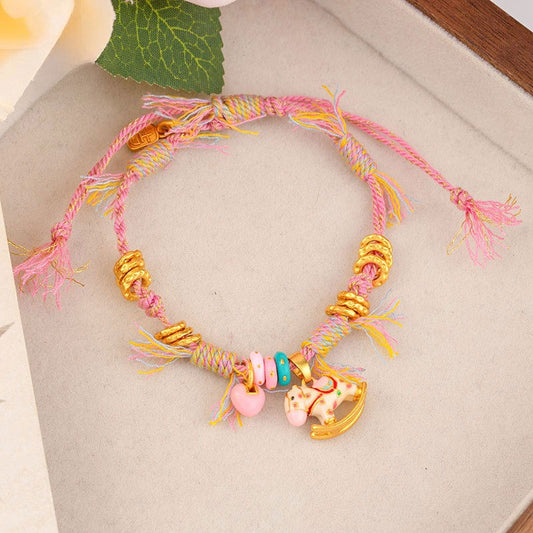


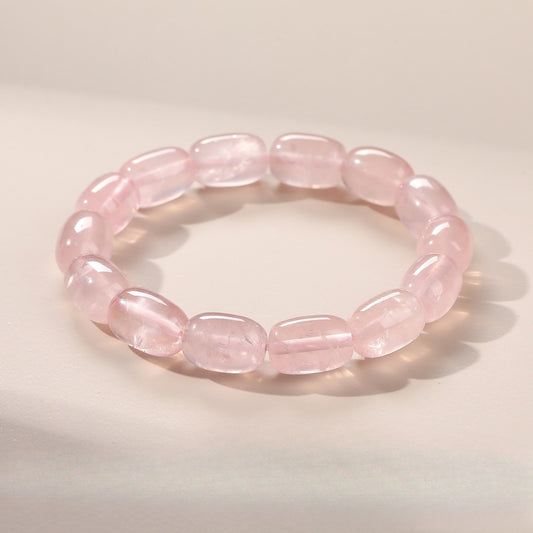
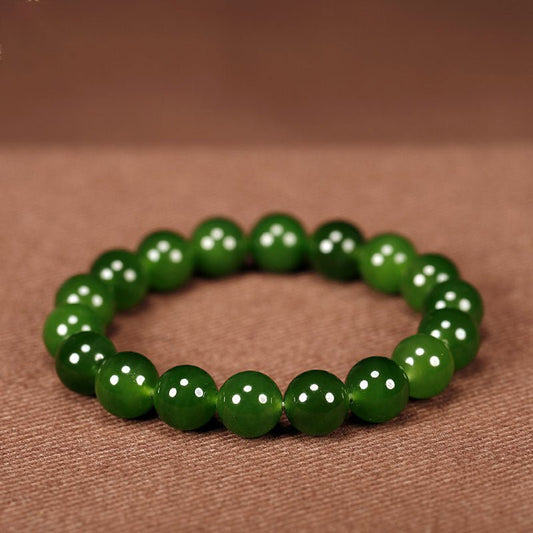


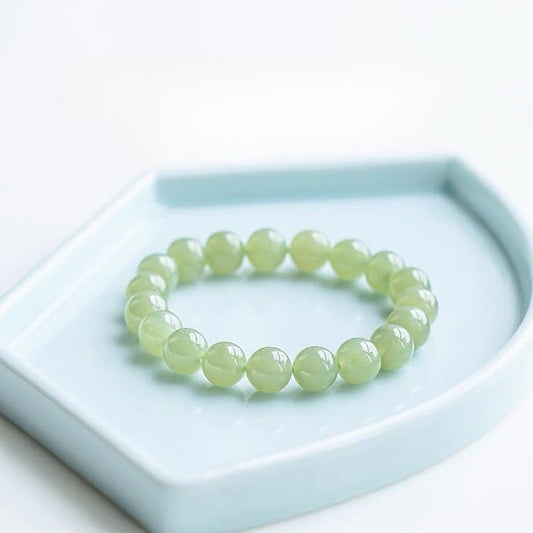
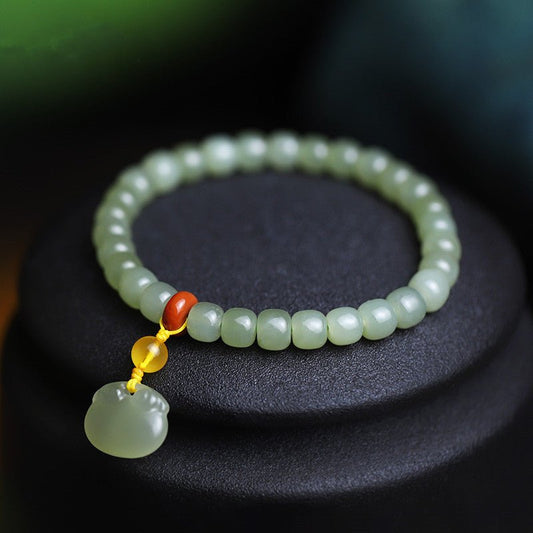


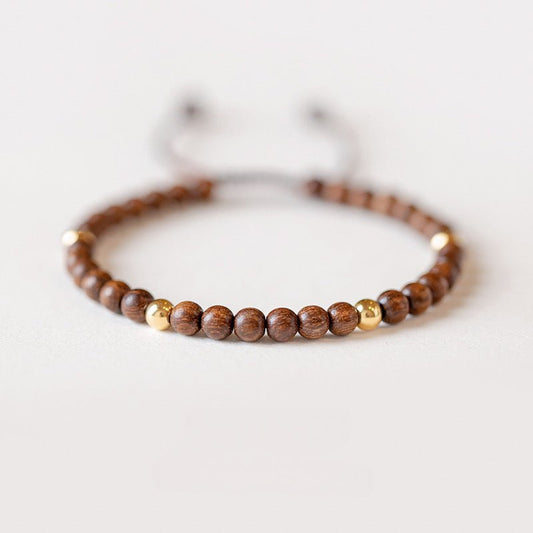
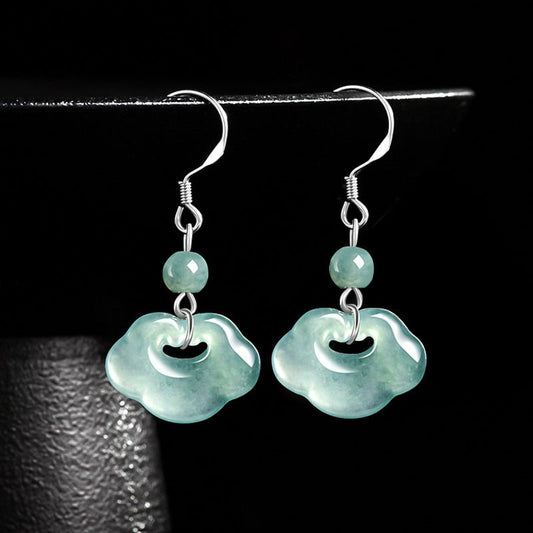
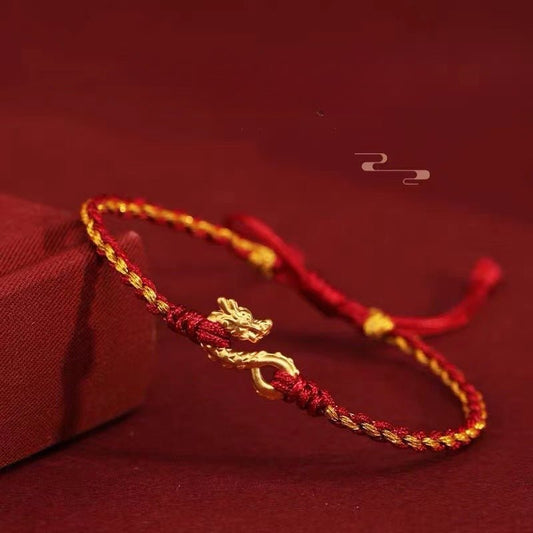


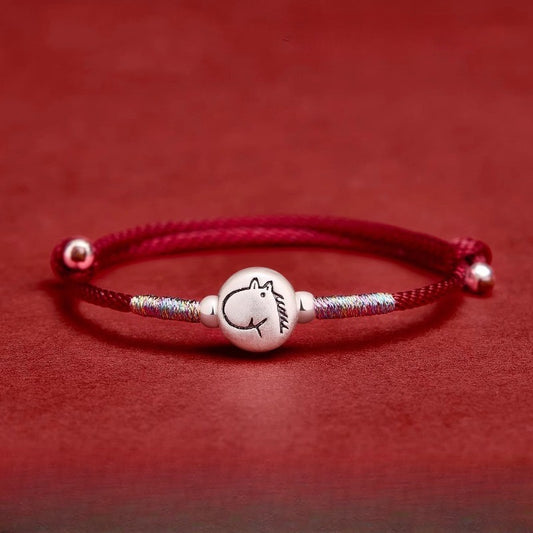
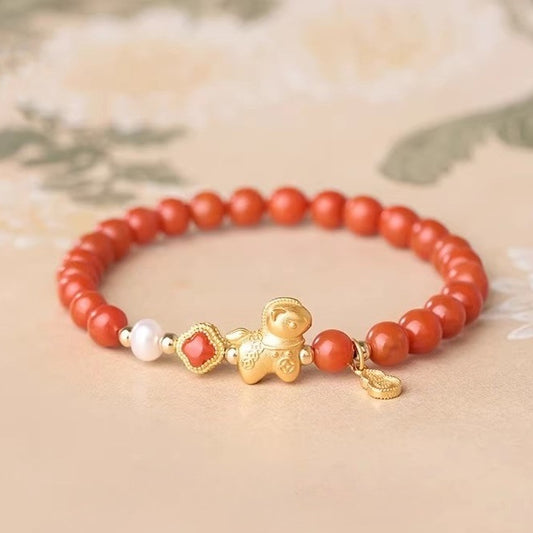

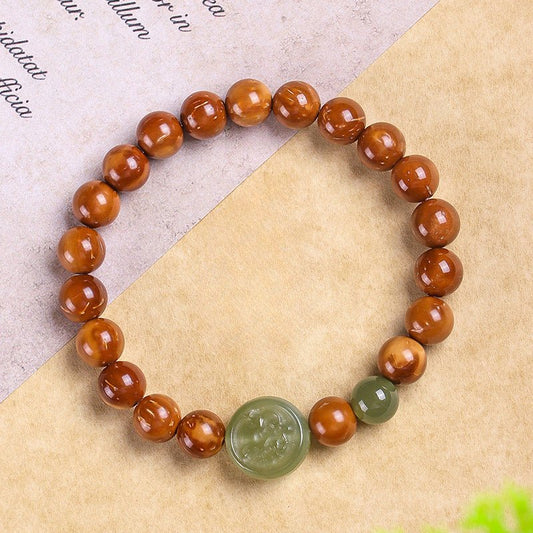


A History of Wrap Bracelets: Meaning, Culture, and Craftsmanship

Share
Introduction
Wrap bracelets are more than accessories—they are ancient storytellers woven into modern fashion. Their rise in global popularity has made them a top choice for jewelry lovers who crave versatility, symbolism, and artisanal charm. Whether crafted from leather, gemstones, silk cords, precious metals, or handmade beads, wrap bracelets reflect centuries of cultural depth and evolving craftsmanship.

In recent years, wrap bracelets have surged in visibility through social media trends, bohemian fashion, meditation communities, and handmade artisan marketplaces. Yet their history stretches back thousands of years. Long before they appeared in contemporary lifestyle photos, wrap bracelets symbolized protection, identity, ritual, and connection to nature. They were physical expressions of cultural meaning—often more spiritual than decorative.
This article explores the powerful journey of wrap bracelets across civilizations. You’ll discover how wrapping materials around the wrist began in prehistoric life, evolved in ancient empires, and spread across continents with rich variations in meaning and artistry. Today, wrap bracelets are admired not only for beauty, but for their roots in craftsmanship, cultural symbolism, and human expression.
🏺 Ancient Origins of Wrap Bracelets
The earliest forms of wrap bracelets can be traced to primitive societies that used natural materials to create adornments for protection, identity, or ritual. The concept of wrapping—rather than fastening—was intuitive and practical, which made it one of humanity’s first jewelry techniques.
🌿 1. Prehistoric Beginnings: Nature-Inspired Wrist Wraps
In prehistoric times, people made functional and symbolic wrist wrappings from:
-
Twisted plant fibers and vines
-
Strips of animal hide
-
Shoelace-like bindings of leather
-
Shells, stones, and bones threaded on crude cords
These early wrap bracelets reflected the environment and the needs of early tribes. Some provided spiritual “shields” believed to guard against bad spirits or misfortune; others identified individuals as hunters, gatherers, or respected tribal members.
🏛️ 2. Ancient Egypt: Powerful Symbols of Protection & Status
Ancient Egyptian artifacts reveal multi-layered wrap-style bracelets crafted with:
-
Gold wires spiraled around the wrist
-
Blue and green faience beads
-
Leather strips decorated with amulets
-
Symbolic charms representing deities or afterlife protection
Colors and patterns were deeply tied to meaning:
-
Green = rebirth
-
Blue = divine protection
-
Red = life force
-
Gold = eternity and royalty
Many designs seen today—layered beads, gemstone wraps, spiral metals—echo these early Egyptian creations.
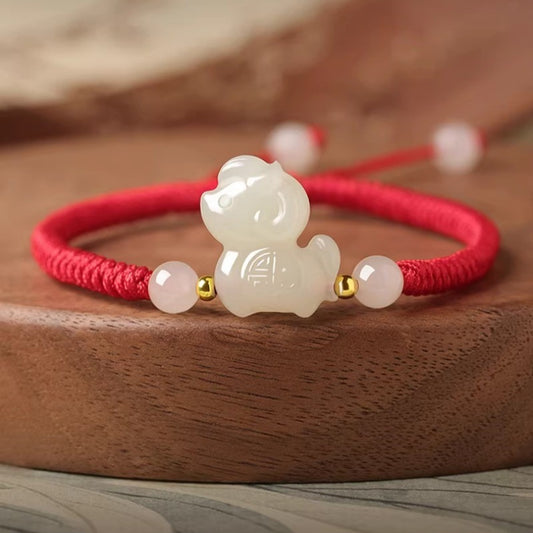
🐉 3. China: Silk Cords and Spiritual Meaning
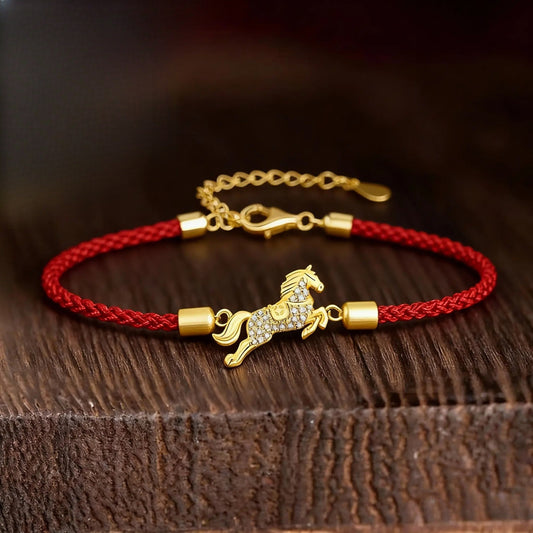
Ancient Chinese culture used silk cords wrapped around the wrist as:
-
Protection against evil
-
Markers of family lineage
-
Carriers of symbolic knots
-
Tokens of good fortune
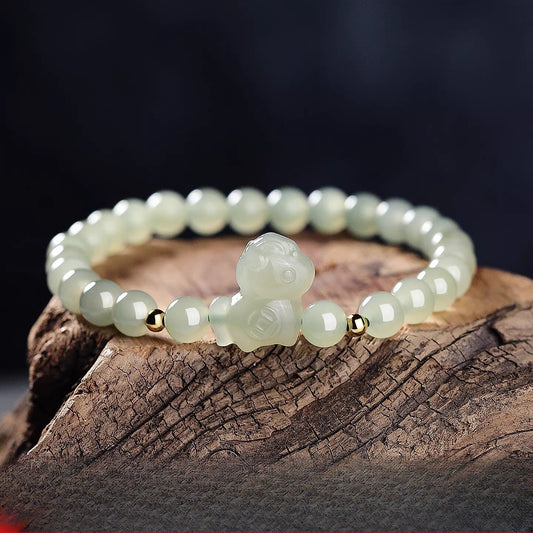
Jade beads were frequently added, symbolizing balance, purity, and spiritual harmony.
🐪 4. Mesopotamia & Middle Eastern Civilizations
Across the Middle East, wrap-style bracelets served:
-
Tribal identification
-
Ritualistic protection
-
Personal decoration during ceremonies
Copper and bronze wire became popular for spiraling designs, paving the way for today’s metal-wrapped jewelry.
🌅 5. Indigenous Cultures in the Americas
Native artisans created wrap bracelets using:
-
Hand-cut leather
-
Turquoise beads
-
Shells and carved stones
-
Symbolic knots
These bracelets held spiritual meaning connecting wearers to earth, sky, nature, and ancestors.
🌏 Cultural Meanings Across the World
As wrap bracelets spread across continents, they evolved unique symbolic roles in each society—spiritual, social, artistic, or protective.
🧘 1. Asia: Harmony, Blessings, and Spiritual Energy
Across Asian cultures:
-
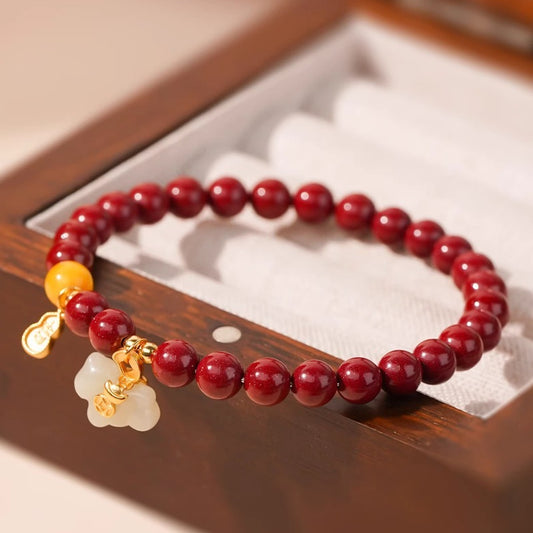
Red and yellow cords symbolize protection
-
Tibetan mala wraps aid meditation
-
Japanese braided cords symbolize unity and devotion
-
Buddhist traditions use knots to channel spiritual intention
The act of wrapping itself represents continuous flow and unbroken protection.
🕌 2. Middle East: Amulets & Ancestral Identity
In the Middle East, wrap bracelets often featured talismans like:
-
The Evil Eye
-
Hamsa (Hand of Fatima)
-
Symbols of blessings and long life
Tribal leather wraps were common among nomadic groups, representing strength and heritage.
🎨 3. Africa: Color, Pattern, and Cultural Expression
African beadwork is world-renowned for its complexity and meaning. Wrap-style bracelets often signify:
-
Tribe or family lineage
-
Social or marital status
-
Spiritual rites of passage
Color meanings may include:
-
Red: courage
-
Blue: peace
-
Green: growth
-
Yellow: prosperity
The craftsmanship of African wraps heavily influences global fashion today.
🪶 4. Indigenous Americas: Earth, Spirit, and Healing Stones
Indigenous cultures often intertwined wrap bracelets with nature’s elements:
-
Turquoise for protection
-
Feathers representing communication with ancestors
-
Stones believed to hold healing energy
-
Hand-tooled leather representing resilience
These designs continue to inspire modern boho-style wrap bracelets.
🔨 Artisanal Craftsmanship Through the Ages
Craftsmanship defines the evolution of wrap bracelets. As tools, materials, and cultural techniques advanced, artisans combined traditional skill with creative storytelling.
🧵 1. Early Hand-Braiding & Knotting Techniques
Before metal tools, crafting relied entirely on hand skills:
-
Braiding natural fibers
-
Wrapping leather strips
-
Multi-knot decorative cords
-
Beads threaded onto simple loops
These techniques survive in modern handmade jewelry and DIY wrap bracelet culture.
💎 2. Metalworking Expands Design Possibilities
The discovery of metalworking allowed artisans to shape:
-
Spiral metal wraps
-
Gemstone-enclosed wire coils
-
Multi-layer metal bands
Metals symbolized permanence, strength, and spiritual endurance.
🎨 3. Regional Craftsmanship Variations
Every culture brought unique artistry to wrap bracelets:
-
Indian bead artisans created multi-strand wrap cuffs
-
Mexican leatherworkers added vibrant stones and symbolic carvings
-
African beadworkers crafted intricate patterns with storytelling elements
-
Southeast Asian artisans perfected silk-wrapped cords and knotwork
These regional identities shaped the diverse styles seen today.
🛠️ 4. Tools Transform Techniques
From bone needles and stone awls to bronze tools and modern jewelry pliers, craftsmanship evolved with every generation. Today’s artisans blend ancient knotting with advanced metalwork, creating wrap bracelets that honor history while embracing modern aesthetics.
🌱 The Modern Revival of Wrap Bracelets
While wrap bracelets have ancient origins, their revival in the modern world is a fascinating journey of cultural rediscovery. In the 21st century, they have made a significant comeback, finding their place in fashion circles, wellness communities, and even the global sustainability movement.
💃 1. Bohemian Style and Fashion Trends
In the early 2000s, the rise of boho-chic fashion played a major role in reintroducing wrap bracelets to mainstream culture. Influential fashion icons, from models to musicians, showcased multi-layered, handmade bracelets with colorful beads, leather, and gemstones. This trend quickly became synonymous with carefree, earthy, and alternative style. Today, wrap bracelets are a staple in bohemian, hippie, and festival fashion.
The blend of casual elegance and personal expression in boho styling has made wrap bracelets a sought-after accessory. Their ability to be layered and customized makes them a perfect addition to any wardrobe, offering versatility to match a variety of outfits—from beachwear to evening attire.
🌍 2. Global Influence of Handmade and Artisan Craftsmanship
The modern revival of wrap bracelets is also tied to the increasing demand for handmade and sustainable fashion. Artisans around the world are using eco-friendly materials and traditional techniques to create one-of-a-kind pieces. These bracelets reflect a global appreciation for craftsmanship and a desire to connect with local artisans who preserve ancient methods of jewelry making.
Many consumers now seek artisan-crafted goods that carry a sense of history and authenticity, and wrap bracelets fit perfectly into this trend. They are often handmade using natural elements like leather, stones, seeds, and beads, emphasizing an eco-conscious lifestyle.
🧘 3. Wrap Bracelets in the Wellness and Spiritual Communities
Wrap bracelets have long been associated with spirituality and wellness, and this connection has only strengthened in the modern age. Today, they are used in meditation, yoga, and healing rituals. For instance, mala bracelets, which are often wrapped around the wrist multiple times, are widely used in Buddhist and Hindu practices. These bracelets are strung with beads that represent each step in a mantra meditation, helping the wearer focus and maintain mindfulness.
Moreover, some people wear wrap bracelets as personal affirmation jewelry, choosing specific stones or charms believed to enhance qualities such as balance, healing, strength, or love. This connection to self-care and inner peace ensures that wrap bracelets continue to resonate with individuals seeking both outer beauty and inner harmony.
🌟 Styles & Materials Popular Today
Wrap bracelets are incredibly diverse in both their materials and designs. Today, there are countless styles, allowing everyone to find a bracelet that resonates with their personal taste or cultural connection.
💎 1. Gemstone Wrap Bracelets
Gemstones have long been incorporated into jewelry for their beauty and symbolism, and wrap bracelets are no exception. Many modern wrap bracelets feature gemstones like:
-
Amethyst (for spiritual protection and tranquility)
-
Turquoise (for healing and positive energy)
-
Rose Quartz (for love and emotional healing)
-
Lapis Lazuli (for wisdom and strength)
-
Jade (for prosperity and good luck)
These gemstones are often wrapped in leather cords or beadwork and are used not just for their aesthetic appeal but also for their believed metaphysical properties. Many wearers choose their wrap bracelets based on the energies associated with these stones, turning the bracelet into a personal talisman.
🐄 2. Leather Wrap Bracelets
Leather wraps remain one of the most popular and enduring materials for making wrap bracelets. Leather brings a natural, rustic, and textured element to the bracelet, and it pairs well with metal charms, beads, and stones. Leather wrap bracelets are often multi-layered, allowing wearers to style them as stacked bracelets for a bold, layered look.
The color of the leather—ranging from rich brown to black—can symbolize different things. For example, brown leather might evoke earthiness and grounding, while black leather could represent strength and sophistication.
🌿 3. Beaded Wrap Bracelets
Beads have been used for centuries, and they remain a prominent feature in modern wrap bracelet designs. Beads are often made from:
-
Wood (symbolizing connection to nature)
-
Glass (for colorful and reflective beauty)
-
Seed beads (for intricate, small-scale designs)
-
Metal (for modern, minimalistic appeal)
Seed bead wraps are especially popular in boho styles, where layers of delicate beads are wrapped around the wrist to create a textured look.
💍 4. Minimalist and Custom Wrap Bracelets
While layered, colorful wrap bracelets are a staple, minimalist designs have also gained popularity in recent years. These wrap bracelets use simple materials—such as thin leather cords or bare metal wire—to create subtle, sleek looks. Many of these minimalist designs can be personalized with initials, dates, or symbols, offering an element of customization that makes each bracelet unique.
These styles resonate with people who want to wear something meaningful, but understated—something that doesn’t overpower the outfit but still offers a personal connection.
🌈 Symbolism in Contemporary Jewelry Culture
As mentioned earlier, wrap bracelets have long been tied to symbolism, whether for spiritual protection, personal significance, or cultural meaning. In the contemporary world, this symbolic connection has grown stronger, with more people seeking meaning in their jewelry choices.
🔮 1. Personal Affirmation Jewelry
One of the most significant modern trends in jewelry is the rise of affirmation jewelry, and wrap bracelets have become an essential part of this. Many people now wear bracelets to express qualities or goals they wish to achieve, such as:
-
Courage
-
Strength
-
Love
-
Gratitude
For example, someone going through a difficult time might wear a rose quartz wrap bracelet to remind themselves to focus on love and self-care. Alternatively, a person striving for success in business might wear a citrine gemstone wrap bracelet for abundance and prosperity.
The wrap bracelet becomes a personal reminder and an emotional anchor that helps the wearer stay true to their intentions.
✨ 2. Healing & Meditation
Wrap bracelets are widely used in meditative practices. Whether used as mala beads for prayer, or as a symbolic tool for mindfulness, many individuals wear wrap bracelets to help them in their quest for inner peace. Each bead or charm on a mala or meditation wrap bracelet represents a step or mantra in their spiritual journey.
Wrap bracelets that are used for meditation often feature natural stones believed to possess healing properties. Wearing these bracelets is thought to encourage balance, serenity, and focus—helping the wearer connect to their inner self.
🛠️ How Wrap Bracelets Are Made Today
The making of wrap bracelets has evolved with technological advancements and cultural influences, but traditional crafting methods remain a core element in the jewelry-making process. Whether mass-produced or handmade by artisans, wrap bracelets continue to be crafted with care and precision.
✂️ 1. Handmade Techniques: Crafting with Precision and Love
Handmade wrap bracelets are a true reflection of artistry, requiring skill and patience. Artisans use various techniques to create their designs, including:
-
Knotting: One of the most common techniques, this method involves carefully tying the thread or cord to form intricate patterns or to attach beads and charms.
-
Braiding: Involves interlacing strands of cord or leather to create beautiful, textured designs. It’s a timeless technique used in both traditional and contemporary styles.
-
Weaving: This involves passing the thread through existing loops or beads to create a strong, flexible bracelet. Beads, gemstones, and metals are often woven together to create visually striking patterns.
-
Sewing and Stitching: Leather or fabric wraps are often stitched together to ensure durability and a polished finish. Stitching is used to attach charms or small beads to the main bracelet.
Artisans may use materials like beads, stones, crystals, leather, and thread to craft bracelets, ensuring that each piece is both unique and made with attention to detail. The materials selected by the artisan can also carry cultural or personal significance, allowing the buyer to feel a deeper connection to the bracelet.
🏭 2. Modern Mass Production
While handmade bracelets are cherished for their authenticity and craftsmanship, mass production has made wrap bracelets accessible to a broader market. Today, wrap bracelets are produced using a combination of machine processes and hand-finishing. Mass-produced wrap bracelets allow for consistency and scalability while still maintaining some elements of personalization, such as color choices or small charm additions.
For instance, beaded bracelets may be produced using automated bead threading machines, which quickly assemble beads into consistent patterns. The addition of embellishments like charms, stones, or metal accents is typically done by hand, ensuring that each bracelet retains some handcrafted appeal. Mass-produced wrap bracelets are available in various price ranges, with higher-end designs often using superior materials such as genuine leather or precious gemstones.
💫 H2: The Popularity of Wrap Bracelets Today
Wrap bracelets are not only prevalent in fashion but also in lifestyle trends. From handmade jewelry stores to luxury brands, these bracelets have grown into an iconic accessory—appealing to a broad spectrum of consumers.
🎶 1. Celebrity Influence and Fashion Bloggers
Celebrities and fashion influencers have played a significant role in popularizing wrap bracelets. Many stars are seen sporting multiple layered wrap bracelets, whether in red carpet appearances, casual outings, or vacation photos. The ability to stack different styles—whether gemstone, leather, or beaded—has turned wrap bracelets into the ultimate statement accessory.
Fashion bloggers and Instagram influencers contribute to this trend by pairing wrap bracelets with other accessories, showcasing them in bohemian, minimalist, and urban chic looks. The versatility of these bracelets makes them a perfect addition to any outfit, and many influencers share personal stories or meanings behind the wrap bracelets they wear, creating an emotional connection with their audiences.
🧑🤝🧑 2. Appeal Across Demographics
Wrap bracelets have also gained popularity because of their universal appeal. They are suitable for both men and women and can be customized to fit a variety of aesthetics. Their adjustability means that they fit all wrist sizes comfortably, making them an inclusive accessory that caters to different demographics.
-
Men’s Wrap Bracelets: Leather wraps with metal accents or simple, minimalist designs are popular among men. Many choose darker tones and rugged materials for a bold, masculine look.
-
Women’s Wrap Bracelets: Women often opt for multi-layered designs, mixing beads, gemstones, and metal elements to create a boho-chic vibe or a minimalist, elegant statement.
-
Unisex Designs: The rise of gender-neutral fashion has also contributed to the increasing popularity of wrap bracelets, as they cater to all styles and preferences.
🌿 3. Wrap Bracelets as Gifts with Meaning
Wrap bracelets are also gaining traction as gifts that carry personal meaning. Many people choose wrap bracelets as gifts for special occasions like birthdays, holidays, or milestones (e.g., weddings, graduations). Given the personal connection many people have to symbolic gemstones or charms, a wrap bracelet can carry deep significance, especially if it's chosen to reflect the recipient’s values, goals, or spirit.
Wrap bracelets that incorporate birthstones, initials, or meaningful symbols (such as the infinity sign or tree of life) are particularly popular as personalized gifts.
🔮 Future Trends: What's Next for Wrap Bracelets?
As the fashion world continues to evolve, so do the trends surrounding wrap bracelets. While some styles remain timeless, new innovations and cultural shifts are likely to influence the design and use of these bracelets in the coming years.
🌍 1. Sustainability and Eco-Conscious Materials
With the growing awareness of environmental issues, there is a rising demand for sustainable fashion. This trend is already impacting the jewelry industry, and wrap bracelets are no exception. Consumers are increasingly seeking out bracelets made from recycled materials, natural fibers, and eco-friendly dyes.
-
Vegan leather and sustainable threads are becoming more widely used in wrap bracelet designs.
-
Upcycled beads and repurposed stones are also gaining popularity, as brands cater to eco-conscious buyers.
As consumers prioritize environmental responsibility, it’s likely that the market for eco-friendly wrap bracelets will expand, making them not just a fashion statement but also a positive contribution to sustainability.
✨ 2. Technological Integration: Smart Jewelry
The fusion of technology and fashion is a trend that has already made waves in other jewelry sectors. With smart jewelry becoming more common, it's possible that wrap bracelets will soon incorporate technological elements such as:
-
Fitness tracking capabilities (e.g., heart rate, steps)
-
Bluetooth connectivity for notifications or health alerts
-
LED lights or solar-powered gemstones that change color in response to the wearer’s activity or environment
The future could see a new breed of smart wrap bracelets, blending traditional designs with modern technology to enhance both style and function.
🔮 3. Increased Customization and Personalization
Personalization will continue to drive demand for wrap bracelets. As consumers seek out unique, meaningful pieces, designers are creating more customizable options, allowing buyers to choose:
-
Stone types
-
Bracelet length
-
Charms and symbols
-
Engravings
The ability to create a one-of-a-kind wrap bracelet based on personal preferences, values, or memories will continue to appeal to a growing market of consumers seeking bespoke jewelry.
🌞 4. Integration of Healing and Wellness Practices
Wrap bracelets have always been linked to wellness, but their integration with modern healing practices could deepen in the future. As interest in spirituality, yoga, and holistic health grows, wrap bracelets may become increasingly associated with energy work, chakra healing, and crystal therapy. Consumers could use wrap bracelets as tools for healing or as reminders of their intentions and mindfulness.
🎉 Conclusion
Wrap bracelets have come a long way from their origins in ancient cultures. Today, they represent a perfect blend of meaning, craftsmanship, and fashion. Whether handmade with care or mass-produced for accessibility, these bracelets continue to capture the hearts and minds of people around the world. From their spiritual and cultural roots to their modern-day popularity, wrap bracelets are more than just accessories—they are symbols of personal expression, connection, and identity.
As we look ahead, it’s clear that the future of wrap bracelets will be shaped by trends toward sustainability, customization, and technology, all while retaining the timeless charm that has made them a beloved part of human culture for centuries. Whether you wear them for their spiritual significance, aesthetic appeal, or as a personal symbol, wrap bracelets are here to stay—evolving with the times but always grounded in their rich history.
Get the latest updates on new products, exclusive offers, and more