






10 Chinese New Year Taboos: Things Not to Do for Good Luck

"Welcoming the Spring Festival isn't just about what you do to attract good fortune; it is equally about knowing exactly what to avoid so you don't chase the good luck away."
The Spring Festival, widely known as the Lunar New Year, is the most significant and vibrant holiday in Chinese culture and across many Asian communities worldwide. It is a time of immense joy, family reunions, spectacular fireworks, and the exchange of red envelopes. However, beneath the surface of these jubilant celebrations lies a complex web of deeply rooted cultural beliefs. If you want to maximize your prosperity and ensure a smooth year ahead, understanding Chinese New Year taboos is absolutely essential.
For centuries, the philosophy surrounding the Lunar New Year has been built on a foundation of symbolism and precedent. The prevailing belief is that your actions, words, and even your diet during the first few days of the new lunar calendar will set the tone for the entire 365 days that follow. Start the year with joy and abundance, and you will attract more of the same. Start it by inadvertently breaking a cultural rule, and you might just invite misfortune into your home.
Whether you are celebrating with a Chinese family for the first time, looking to honor your own heritage, or simply fascinated by cultural superstitions, navigating these unwritten rules can be tricky. In this comprehensive guide, we will dive deep into the top 10 Chinese New Year taboos, exploring the fascinating history, linguistic nuances, and cultural reasoning behind these ancient customs. Let's uncover exactly what you should avoid to ensure your year is filled with nothing but health, wealth, and immense happiness.
Why Are There So Many Lunar New Year Superstitions?
To truly appreciate Chinese New Year taboos, one must first understand the cultural and linguistic fabric of ancient China. Many of these superstitions might seem arbitrary to an outsider, but they are deeply logical within the context of Chinese traditions. The foundation of these beliefs rests primarily on two pillars: the concept of "setting the precedent" and the power of linguistic homophones.
The Power of First Impressions (Setting the Precedent)
In traditional Chinese philosophy, beginnings are sacred. The first day of the Lunar New Year is viewed as a microcosm of the year to come. It is believed that the universe is highly receptive to your energy during this transitional period. If you are crying, arguing, or taking medicine on the first day, the universe assumes this is the pattern you wish to continue, thereby condemning you to a year of sorrow, conflict, or illness. Conversely, surrounding yourself with sweetness, laughter, and symbols of wealth on day one signals to the cosmos that you are ready for a prosperous year.
The Magic of Homophones (Words that Sound Alike)
The Chinese language is incredibly rich in homophones—words that share the same pronunciation but have entirely different meanings and characters. Much of Chinese folklore and superstition revolves around this linguistic trait. If a word sounds like "death," "loss," or "severance," any object or action associated with that word becomes highly taboo during the New Year. On the flip side, words that sound like "surplus," "wealth," or "luck" are celebrated and integrated into festival traditions.
With this cultural context in mind, let's explore the specific actions you need to avoid. Here is the definitive list of things not to do on Chinese New Year.
Top 10 Things Not to Do on Chinese New Year
1. Don't Sweep the Floor or Take Out the Garbage
Of all the Chinese New Year taboos, this is arguably the most strictly observed. In the days leading up to the Spring Festival, families will engage in a massive, exhausting deep clean of their homes. This tradition, known as "sweeping away the dust," is meant to rid the house of any lingering bad luck from the previous year, making room for the incoming good fortune.
However, the moment the clock strikes midnight on New Year's Eve, all brooms, dustpans, and mops must be hidden away. Why? Because during the first few days of the New Year, the gods of wealth and fortune arrive at your home to bestow their blessings.
The Consequence of Sweeping
If you sweep the floor or throw out the garbage on the first day of the New Year, it is believed that you are literally sweeping the newly arrived wealth and good fortune right out your front door.
If you absolutely must clean up a spill or mess, the traditional workaround is to sweep inward, from the edges of the room toward the center, and collect the dirt in a corner until the taboo period (usually the first two to three days) has passed.
2. Avoid Washing Your Hair and Clothes
Personal hygiene might seem like a universally good thing, but during the Lunar New Year, it takes a back seat to maintaining your luck. This taboo is a perfect example of how the Chinese language influences cultural behavior.
In Mandarin, the word for hair is "fa" (发). This is the exact same character and pronunciation used in the common New Year greeting "Gong Xi Fa Cai" (恭喜发财), which means "Wishing you prosperity and wealth." Because "fa" is so closely associated with becoming wealthy, washing your hair on the first day of the New Year is seen as washing away your newly acquired fortune before it even has a chance to settle.
Similarly, washing clothes is strictly forbidden on the first and second days of the New Year. According to traditional folklore, these two days celebrate the birthday of the Water God (Shuishen). Doing laundry is considered an act of disrespect that offends the deity, potentially leading to a year of bad luck or "watered down" prosperity. Therefore, ensure all your festive outfits are washed, ironed, and ready to go before New Year's Eve.
3. No Breaking of Ceramics, Glass, or Mirrors
Shattering a plate, dropping a bowl, or breaking a mirror is generally considered unlucky in many cultures, but it is one of the most dreaded Chinese New Year taboos. In Chinese culture, wholeness and completeness represent family unity, perfection, and uninterrupted prosperity. Breaking an object symbolizes a fracture in that unity, suggesting that the family's wealth will be broken or that family members may face separation or loss in the coming year.
Because accidents happen, especially during massive family banquets with slippery hands and excited children, Chinese culture has developed a clever linguistic "remedy" to instantly counteract the bad luck of a broken item.
The Quick Fix for Broken Items
If something shatters, immediately say the phrase "Sui sui ping an" (岁岁平安).
This is a brilliant play on words. The word for "shatter" or "break" (碎, suì) sounds exactly like the word for "year" (岁, suì). By saying "Sui sui ping an," you instantly change the meaning of the accident from "shattered" to "May you have peace year after year." The broken pieces should then be wrapped in red paper and thrown away only after the first five days of the new year have passed.
4. Keep Away from Sharp Objects Like Scissors and Knives
The Spring Festival is a time for building connections, nurturing relationships, and gathering wealth. Sharp objects—such as scissors, needles, knives, and nail clippers—are fundamentally designed to cut, sever, and pierce.
Using sharp objects during the first few days of the Lunar New Year is heavily frowned upon. Symbolically, using a knife or scissors implies that you are cutting off the stream of wealth that is trying to flow into your life. Even more concerning, it represents the severing of ties with friends and family, inviting unnecessary quarrels, betrayals, or the cutting short of relationships.
To abide by this rule, traditional Chinese families will prepare all their New Year meals well in advance. All the chopping, slicing, and dicing of meats and vegetables must be completed before the stroke of midnight on New Year's Eve. On New Year's Day, all sharp kitchen tools are washed and hidden away in drawers out of sight. Haircuts are also completely out of the question for the entire first lunar month, as cutting hair is seen as snipping away the life force and prosperity of your maternal uncles.
5. Don't Demand Debt Repayment or Borrow Money
Financial flow is a major theme during the Lunar New Year, and how you handle money during this period dictates your financial health for the rest of the year. One of the strictest Chinese New Year taboos dictates that all debts should be settled before New Year's Eve.
If you start the New Year owing people money, the superstition suggests that you will be trapped in a cycle of debt and financial struggle for the entire year. You will spend the next 12 months constantly trying to catch up. Conversely, lending money on New Year's Day is equally taboo. If you lend money, it is believed that you will spend the rest of the year suffering from economic loss and people will constantly be asking you for handouts.
Furthermore, it is considered incredibly rude and aggressively unlucky to knock on someone's door to demand debt repayment during the holiday season. It brings shame and bad luck to both the debtor and the lender. The accepted social grace is to give the debtor a grace period until the Lantern Festival (the 15th day of the Lunar New Year) has concluded.
6. Avoid Wearing Black and White
Fashion choices are heavily scrutinized during the Spring Festival. While black and white might be the staples of a chic, modern wardrobe in the West, they are the traditional colors of mourning, funerals, and death in traditional Chinese culture.
Wearing monochromatic black or white outfits during the most joyous celebration of the year is deeply offensive to older generations. It signifies sorrow, loss, and a lack of vitality, bringing an energy of depression into a space that is supposed to be buzzing with life and excitement.
- What to wear instead: Red is the ultimate color of the Lunar New Year. It symbolizes fire, energy, good fortune, and joy. It is also historically believed to scare away the mythical beast "Nian," who would terrorize villages.
- Other lucky colors: Gold and yellow are excellent choices, representing wealth, royalty, and imperial power. Bright pinks and warm oranges are also highly encouraged as they represent vitality and a blossoming spring.
7. Do Not Eat Porridge for Breakfast
In modern times, a warm bowl of congee (rice porridge) is considered a comforting, healthy, and easily digestible breakfast. However, doing so on the morning of the Lunar New Year is a major faux pas.
Historically in ancient China, only the poorest families who could not afford enough solid rice to feed their families would water it down to make porridge. Therefore, eating porridge became intrinsically linked with poverty, famine, and lower social status. Eating it on the very first morning of the year is believed to be an invitation for poverty and financial ruin to enter your household.
To signal abundance and wealth to the gods, families will often eat leftover rice or solid, rich foods from the extravagant New Year's Eve dinner for breakfast. This practice symbolizes that the family has a "surplus" of food that carries over from year to year, ensuring they will never go hungry.
8. Prevent Children from Crying
The sounds you hear during the Spring Festival are just as important as the sights. Laughter, firecrackers, and the clinking of glasses are welcomed, as they drive away evil spirits and invite positive energy. However, the sound of a crying child is believed to bring bad luck and sorrow to the family, setting a miserable emotional tone for the year.
Because of this deeply held belief, parents are exceptionally lenient with their children during the holiday period. Punishments are temporarily suspended, scolding is kept to an absolute minimum, and children are often pacified with sweets, toys, and red envelopes (Hongbao) at the slightest sign of a tantrum. The goal is to keep the household atmosphere as harmonious, peaceful, and joyful as possible, even if it means spoiling the kids for a few days.
9. Don't Give Certain Taboo Gifts
Gifting is a central part of visiting friends and relatives during the Lunar New Year. While bringing gifts is a sign of respect and affection, bringing the *wrong* gift can result in deep offense and ruined relationships. This is another area where Chinese homophones turn everyday items into highly toxic gifts.
-
Clocks and Watches The phrase for "giving a clock" (送钟, sòng zhōng) sounds exactly like the phrase for "attending a funeral" (送终). Giving someone a clock implies you are counting down the days until their death.
-
Pears The word for pear (梨, lí) sounds identical to the word for leaving or parting (离). Gifting pears, or even slicing a pear to share with a friend, signifies that your relationship will soon be severed.
-
Shoes The word for shoes (鞋, xié) sounds exactly like the word for evil, bad luck, or heresy (邪). Furthermore, shoes are for walking away, implying a departure of luck or a person from your life.
10. Avoid Taking Medicine if Possible
Health is considered the ultimate wealth in Chinese culture. Consequently, brewing herbal medicine, taking pills, or visiting the doctor on the first day of the Lunar New Year is heavily avoided.
The superstition states that if you start the year by taking medicine, you will be cursed with illness and frailty for the entire year, constantly requiring medical attention. In the past, people would even go as far as breaking their traditional medicine pots on New Year's Eve to banish illness from the home entirely, symbolizing a fresh, healthy start.
Important Caveat: In modern times, common sense naturally prevails. This taboo is meant for minor ailments like a mild headache or a vitamin supplement. If you have a chronic illness, a severe condition, or require prescription medication to stay alive, you must absolutely take your medicine. The gods of health favor the wise, not the reckless!
What to Do Instead: Tips for a Lucky Spring Festival
Now that we have thoroughly covered the Chinese New Year taboos and what you must avoid, let's shift our focus to the positive. How can you actively attract good luck, immense wealth, and robust health during the Lunar New Year? Here are a few highly encouraged traditions:
- Wear Brand New Red Clothes: Buying new clothes represents a fresh start. Wearing red, from your outer jacket down to your underwear, is the most powerful way to attract good fortune and ward off evil spirits.
- Give and Receive Red Envelopes (Hongbao): These red packets filled with crisp, new bank notes are given by married couples and elders to children and unmarried juniors. The money inside is known as "ya sui qian" (money to anchor the year), meant to suppress evil and keep children safe.
- Eat Lucky Foods: Your New Year menu should be highly symbolic. Eat dumplings (which look like ancient gold ingots) for wealth. Eat a whole fish (the word for fish, 鱼/yú, sounds like surplus) to ensure you have abundance year after year. Always leave a little bit of the fish leftover to physically represent that "surplus."
- Stay Up Late on New Year's Eve (Shousui): The tradition of "Shousui" involves staying awake past midnight to welcome the New Year. For the younger generation, staying up late is traditionally believed to bless their parents with longevity and good health.
- Exchange Auspicious Greetings: Greet everyone you meet with positive phrases. Beyond "Gong Xi Fa Cai," you can say "Xin Nian Kuai Le" (Happy New Year), "Shen Ti Jian Kang" (Wishing you good health), or "Wan Shi Ru Yi" (May all your wishes come true).
Frequently Asked Questions (FAQs)
How long do Chinese New Year taboos last?
The duration depends strictly on the specific taboo and how traditional the family is. The most intense taboos—such as not sweeping, not washing hair, and avoiding sharp objects—are generally observed only for the first one to three days of the Lunar New Year. Other rules, like not cutting your hair or avoiding demanding debt repayment, traditionally last for the entire first lunar month (until the Lantern Festival on the 15th day).
Can I cut my hair before the Lunar New Year?
Absolutely! In fact, it is highly encouraged. Getting a haircut in the weeks leading up to the Spring Festival is a very popular tradition. It signifies cutting away the bad luck of the past year and starting fresh. Just make sure you get it done before New Year's Eve, as hair salons will often close, and cutting hair during the first lunar month is considered extremely bad luck, particularly for your maternal uncles.
What happens if I accidentally break a rule?
Don't panic! The Lunar New Year is ultimately a festival of forgiveness, joy, and new beginnings. If you accidentally sweep the floor or say an unlucky word, older family members might gently scold you, but there are almost always linguistic remedies. Saying auspicious phrases like "Tong Yan Wu Ji" (children's words carry no harm) if a child says something inappropriate, or "Sui Sui Ping An" if something breaks, instantly neutralizes the bad energy. The most important thing is your intention and keeping a positive attitude.
Are these taboos still strictly followed today?
It varies greatly by generation and geography. Older generations, particularly in rural areas or deeply traditional households, observe these Chinese New Year taboos with utmost seriousness. Younger generations and those living in modern, fast-paced urban environments tend to view them more as nostalgic cultural heritage rather than absolute laws. However, almost everyone still avoids extreme bad omens like giving a clock or wearing black and white out of basic cultural respect.
Conclusion: Embrace the Spirit of the Festival
Navigating the myriad of Chinese New Year taboos might seem overwhelming at first glance. From hiding your brooms and refraining from doing laundry, to carefully selecting your vocabulary and monitoring your breakfast choices, it is clear that the Lunar New Year is a holiday wrapped in deep symbolism and respect for the unseen forces of luck and fortune.
However, it is crucial to remember the core philosophy behind all these superstitions. These ancient rules were not created to induce anxiety or make the holiday stressful. Quite the opposite—they were developed by ancestors who wanted nothing more than to protect their families, manifest abundance, and create a highly intentional, positive environment to kickstart the year. Whether you view these taboos as literal spiritual laws or simply as charming cultural idiosyncrasies, participating in them is a beautiful way to connect with thousands of years of Chinese heritage.
By avoiding what brings bad luck and actively participating in the customs that attract joy—like wearing your brightest reds, sharing delicious meals with loved ones, and exchanging heartfelt wishes—you are setting the stage for a magnificent year ahead.
Are there any unique New Year superstitions or taboos that your family observes? How do you prepare your home for the Spring Festival? We would love to hear about your personal traditions. Share your stories with us in the comments below, and from our family to yours, we wish you a prosperous, healthy, and incredibly lucky Lunar New Year! Gong Xi Fa Cai!

$43.88
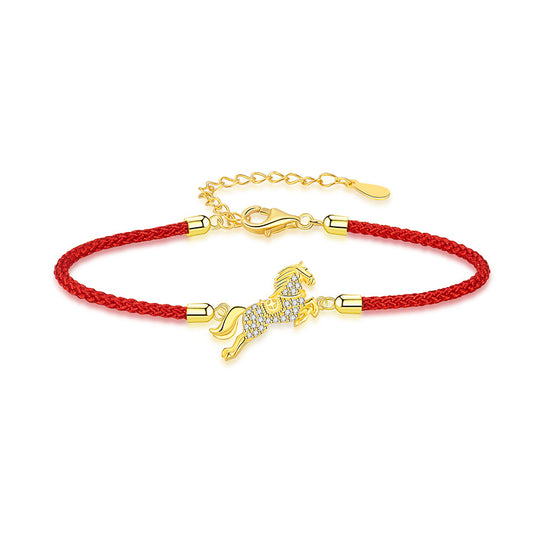
Embrace your zodiac sign with our S925 Sterling Silver 12 Zodiac Red String Bracelet, specially - STAR8S