





-
Regular price $23.88Sale price $23.88 Regular priceUnit price per
$48.88Add a Touch of Mystic Elegance with This Handmade Bracelet
Our Amethyst & Opal Double Layer Braided Bracelet is a perfect blend of elegance and energy. Handcrafted with love, it features the calming energy of Amethyst paired with the mystical allure of Opal, creating a timeless piece that enhances any outfit.Key Features:
-
Amethyst: Known for its spiritual healing properties, Amethyst promotes peace, calm, and positive transformation. It is perfect for meditation and balancing energies.
-
Opal: A stone of inspiration, Opal is believed to enhance creativity, spontaneity, and the expression of emotions.
Design & Craftsmanship:
-
Handwoven with high-quality Amethyst beads and an iridescent Opal centerpiece, this bracelet exudes natural beauty and elegance.
-
The bracelet features a durable, adjustable design (17-26 cm) to fit most wrist sizes comfortably.
-
Finished with gold accents to enhance the rich colors of the gemstones, creating a sophisticated boho style.
Perfect for:
-
Everyday wear: The subtle yet stylish design makes it a perfect accessory for casual and formal occasions.
-
Gift idea: An ideal gift for anyone who loves handmade jewelry, spirituality, or healing stones.
Product Parameters:
-
Material: Copper + Natural Gemstones
-
Stones: Amethyst, Opal
-
Size: Adjustable (17-26 cm)
-
Color: Gold, Purple, Opalescent
-
Packaging: Individual OPP Bag
-
Style: Boho, Handmade, Adjustable, Spiritual
Care Instructions:
-
Avoid contact with chemicals, lotions, or perfumes to maintain the stone's integrity.
-
Keep your bracelet away from water to preserve its quality.
-
Clean with a soft cloth to maintain its shine and vibrancy.
Sale -
-
Regular price $33.88Sale price $33.88 Regular priceUnit price per
$68.88Elevate your everyday style with this Opal Wrap Boho Bracelet for Women, beautifully handcrafted with three layers of crystal beads and genuine leather cord. Designed in a modern European and American boho style, this bracelet combines natural textures with elegant shimmer, making it perfect for both casual outfits and special occasions.
The centerpiece opal-style stone reflects soft, iridescent colors, while the green and white crystal beads add depth and sophistication. Wrapped comfortably around the wrist, this bracelet delivers a relaxed yet refined look that complements any wardrobe.
Whether worn alone or stacked with other jewelry, this wrap bracelet is a timeless accessory for women who love effortless bohemian elegance.
✨ Key Features
-
Handmade 3-layer wrap bracelet design
-
Elegant opal-style centerpiece with subtle shine
-
Faceted crystal beads in green and white tones
-
Durable and flexible genuine leather cord
-
Adjustable wrap style for a comfortable fit
-
Lightweight and suitable for daily wear
-
Perfect boho, casual, or gift jewelry choice
💎 Why You’ll Love It
-
Adds a unique boho touch to any outfit
-
Handcrafted look that feels personal and stylish
-
Easy to match with dresses, sweaters, or casual wear
-
Ideal gift for birthdays, holidays, or special occasions
-
Trend-inspired design popular in European, American, and Australian fashion
📏 Product Parameters / Specifications
-
Product Type: Wrap Bracelet / Boho Bracelet
-
Main Material: Genuine leather cord
-
Beads: Crystal beads (green & white tones)
-
Main Stone: Opal-style stone
-
Layers: 3 wrap layers
-
Style: Bohemian / European & American fashion
-
Gender: Women
-
Closure Type: Wrap & button closure
-
Occasions: Daily wear, casual, party, gifting
❓ FAQs
Q: Is this bracelet adjustable?
A: Yes, the wrap design allows for a comfortable and flexible fit on most wrists.Q: What materials are used?
A: The bracelet is made with genuine leather cord, crystal beads, and an opal-style centerpiece.Q: Is this suitable for everyday wear?
A: Yes, it is lightweight, comfortable, and designed for daily use.Q: How should I care for this bracelet?
A: Avoid prolonged exposure to water, perfumes, or chemicals. Store in a dry place when not in use.Sale -
-
Regular price $28.88Sale price $28.88 Regular priceUnit price per
$60.88Opal Imperial Jaspor Adjustable Beaded Bracelet
The Opal Imperial Jaspor Adjustable Beaded Bracelet is a beautifully crafted accessory designed for both men and women who appreciate elegance and style. Made with high-quality imperial jasper and stunning opal stone accents, this bracelet offers both a natural and luxurious feel. The adjustable braided design ensures a comfortable fit, making it perfect for any wrist size. Whether for casual wear or a special occasion, this bracelet adds a touch of sophistication to any outfit.
Key Features:
-
Opal and Imperial Jaspor Beads: The bracelet is composed of high-quality opal stones that feature a mesmerizing play of color, complemented by natural imperial jasper beads, known for their healing properties and unique patterns.
-
Adjustable Fit: The braided cord design allows for easy size adjustments, ensuring a snug and personalized fit for both men and women.
-
Handmade Craftsmanship: Each bracelet is carefully handcrafted, showcasing attention to detail and artistry in every bead.
-
Versatile Style: This unisex bracelet works well with a variety of outfits, from casual daywear to more formal evening attire.
-
Durable and Lightweight: Designed for everyday wear, the bracelet is strong yet lightweight, ensuring comfort throughout the day.
Product Specifications:
-
Material: Opal, Imperial Jaspor (Natural Stone)
-
Bracelet Type: Adjustable Beaded
-
Closure Type: Adjustable braided cord
-
Dimensions: Bead size varies slightly with an average diameter of 8mm
-
Weight: Lightweight, comfortable for all-day wear
-
Gender: Unisex
-
Style: Casual, Bohemian, Minimalist
Care Instructions:
To maintain the beauty of your bracelet, avoid exposure to harsh chemicals, perfumes, or water. Store it in a cool, dry place when not in use.Sale -
-
Regular price $23.88Sale price $23.88 Regular priceUnit price per
$48.88Craftsmanship and Design:
This stunning handwoven bracelet is crafted using premium African Turquoise, Amethyst, Opal, and Amazonite stones. The African Turquoise Braided Bracelet is beautifully braided to perfection, ensuring that it fits seamlessly with any outfit. Its adjustable design allows it to be worn comfortably by women of all wrist sizes.The bracelet is a perfect symbol of friendship, featuring intricately woven strings that represent the bonds of love, unity, and strength. Each piece is carefully handwoven, ensuring that no two bracelets are exactly alike, giving you a truly unique piece of jewelry.
Adjustable Fit:
With an adjustable design, this bracelet fits comfortably on wrists ranging from 17cm to 26cm. The high-quality nylon thread used in its braiding ensures durability and long-lasting wear.Material and Stones:
-
African Turquoise: Known for its calming properties, African Turquoise is believed to bring balance and healing to its wearer.
-
Amethyst: This beautiful purple gemstone is associated with peace, calmness, and clarity.
-
Opal: Opal is known to symbolize creativity and inspiration.
-
Amazonite: A calming gemstone that promotes peace and harmony.
Perfect for Every Occasion:
Whether you're looking for a statement piece for a casual day out or a meaningful gift for someone special, this adjustable African Turquoise Braided Bracelet is the ideal choice.Product Parameters:
-
Product Name: African Turquoise Braided Bracelet
-
Material: African Turquoise, Amethyst, Opal, Amazonite, High-Quality Nylon Thread
-
Size: Adjustable from 17 cm to 26 cm
-
Style: Handwoven Friendship Bracelet
-
Color: Multicolor (African Turquoise, Amethyst, Opal, Amazonite)
-
Packaging: Individually packed in an OPP bag
-
Target Audience: Women, Gift Seekers, Nature Lovers
Care Instructions:
To keep your African Turquoise Braided Bracelet in the best condition:
-
Avoid exposing the bracelet to excessive moisture.
-
Store in a cool, dry place when not in use.
-
Clean with a soft cloth to maintain the luster of the stones.
Sale -
-

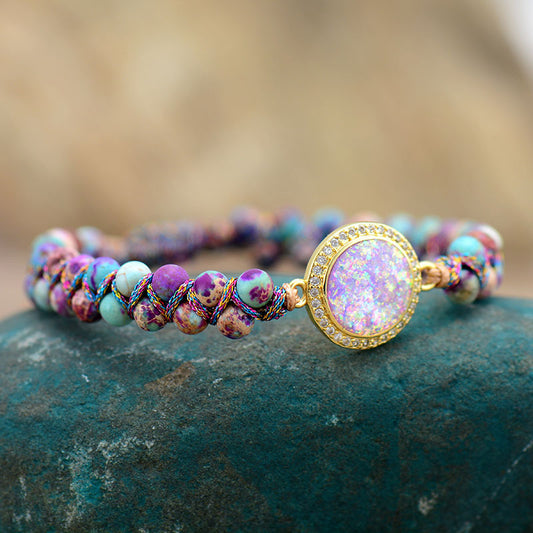 Imperial Jasper Opal Braided Adjustable Friendship Bracelet – Purple & Turquoise Beaded Boho JewelryRegular price $23.88Sale price $23.88 Regular priceUnit price per
$48.88This handcrafted Imperial Jasper & Opal Braided Bracelet blends natural beauty with boho artistry — perfect as a friendship bracelet, a meaningful gift, or a statement accessory for everyday wear. Its double-layer braided design highlights the rich, multicolored beads and sparkling opal center, creating a balanced mix of earthy elegance and playful charm.
Whether you're dressing up a casual outfit or layering for a more bohemian vibe, this bracelet adds a unique splash of color and texture to your look.
Features
-
Natural Gemstone Beads: Hand-selected imperial jasper and opal beads give this bracelet its unique mix of purple, turquoise, pastel, and earthy hues. Imperial jasper is prized for its soft, harmonious color palette and organic patterns.
-
Hand-Braided Design: Double-layered braided cord adds durability and artisanal character. The weaving technique enhances flexibility and comfort while adding a handcrafted, boho feel.
-
Adjustable Fit: Adjustable sliding knot closure ensures a comfortable fit for most wrist sizes — easy to put on and take off without clasps.
-
Statement Centerpiece: The bracelet features a central round opal (or opal-style) cabochon set in a polished metal bezel, surrounded by sparkling accent stones for a luxe touch.
-
Versatile Style: Perfect for casual wear, boho outfits, layering with other bracelets or jewelry, or gifting to friends and loved ones as a symbol of friendship and connection.
Why You Should Buy This Bracelet
-
Unique & One-of-a-Kind: Because each bead is naturally patterned and hand-selected, no two bracelets are exactly the same — you get a truly unique piece.
-
Artisan Quality: Hand-braided and assembled with care, combining craftsmanship and natural materials for a piece that feels thoughtful and special.
-
Meaningful Gift: Imperial jasper is often associated with grounding, balance, inner calm, and confidence. (The Gem Library) A beautiful symbolic gift for friends, family, or yourself.
-
Comfortable & Easy to Wear: Adjustable sizing and smooth beads make it comfortable for daily wear, while the combination of earthy and vibrant tones adds stylish versatility.
-
Statement Piece Without Overwhelm: The bracelet balances bold gemstone color with subtlety — making it suitable for casual outfits, layered boho looks, or as a delicate statement.
Product Specifications
Attribute Details Gemstones Imperial Jasper + Opal (or opal-style) beads Bead Size ~6 – 8 mm (approximate — varies per handcrafted piece) Centerpiece Round opal (or opal-style) cabochon with accent metal bezel Bracelet Style Double-layer braided cord with adjustable sliding knot Fit Adjustable — fits a range of wrist sizes Color Scheme Purple, turquoise, pastel, earthy tones Style Boho / Friendship / Casual / Statement Care & Maintenance
-
Opal is a relatively soft and delicate gemstone (hardness ~ 5.5–6.5 on Mohs scale) — avoid hard impacts or abrasion that may scratch or crack the stone.
-
Clean gently with lukewarm water and mild soap using a soft cloth; avoid ultrasonic or steam cleaning.
-
Avoid exposure to harsh chemicals, perfumes, lotions, or hairspray, which may damage both the metal and gemstone.
-
Remove the bracelet during heavy work, sports, showering, swimming, or gardening to prevent damage.
-
Store separately from harder jewelry (e.g. metals, diamonds) to prevent scratching; keep in a soft pouch or lined box. For long-term storage — avoid extremely dry environments which can cause delicate opals to crack or lose luster.
Frequently Asked Questions (FAQs)
Is this bracelet adjustable to fit any wrist size?
Yes — the sliding knot closure allows you to adjust the bracelet for a comfortable fit, suitable for most wrist sizes.Are the beads genuine imperial jasper and opal?
Yes — the beads are crafted from natural imperial jasper and opal (or opal-style) stones, each with unique patterns and color variations.Can I wear this bracelet every day?
Yes, but with care. Because opal is a relatively soft gemstone, it's best to avoid heavy manual work, exposure to chemicals, or contact with hard surfaces while wearing — to preserve its beauty over time.How do I clean it safely?
Use lukewarm water with a drop of mild soap and gently wipe with a soft cloth. Avoid ultrasonic or steam cleaning. After cleaning, dry thoroughly before storing.What if the bracelet gets wet often?
Opal beads are sensitive to prolonged exposure to water, chemicals, or extreme temperature changes. It’s best to remove the bracelet before showering, swimming, or heavy cleaning.Will the color fade over time?
If cared for properly — avoiding harsh chemicals, extreme heat, and abrasive surfaces — the stones should retain their color and luster. However, because opal is softer than many gemstones, the finish can dull or scratch over time without proper care.Sale -
-
Regular price $28.88Sale price $28.88 Regular priceUnit price per
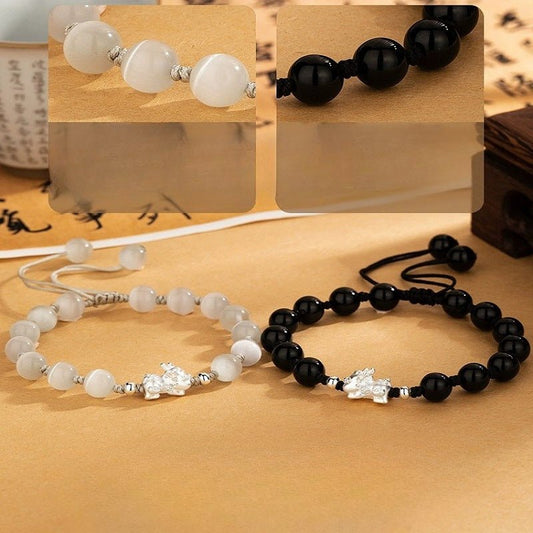
$60.99✨Romantic Mens Bracelet Selling Points
Celebrate love with this mens bracelet! Made of 999 silver, featuring Black agate and Opal, it’s perfect for couples. Ideal for Qixi, anniversaries, or gifting to your girlfriend! 🌟
The elegant design combines Black agate and Opal with 999 silver, ensuring durability and style. Lightweight and comfortable for daily wear. A symbol of eternal love. ✨
A unique couple’s accessory, this bracelet suits any occasion. Whether for him or her, it’s a meaningful gift. Embrace romance with this mens bracelet! 🎁
🎨Mens Bracelet Elements
999 Silver Structure: The 999 silver parts are polished, adding a shiny and durable base to the mens bracelet. Perfect for elegant style. 🌿
Black Agate & Opal Beads: Black agate and Opal beads are smooth, bringing texture and color. They symbolize luck and love in this mens bracelet. 🔮
Couple - Oriented Design: Made for couples, the bracelet uses 999 silver, Black agate, and Opal to create a romantic look. Ideal for gifting to your girlfriend. 💕
⚙️Mens Bracelet Parameters
- Name: Mens Bracelet - 999 Silver Black Agate Opal Couple Set
- Material: 999 silver, Black agate, Opal
- Design: Couple - oriented, beaded style, adjustable cord
- Weight: Men’s ~11g, Women’s ~10g (lightweight)
- Size: Men’s ~30cm, Women’s ~27cm (adjustable)
- Occasion: Qixi, anniversaries, gifting, daily wear
⚠️Mens Bracelet Precautions
- Avoid contact with chemicals to protect 999 silver, Black agate, and Opal.
- Store in a dry place to prevent silver tarnishing.
- Handle beads gently to avoid damage.
- Remove before swimming or showering to maintain quality.
Sale

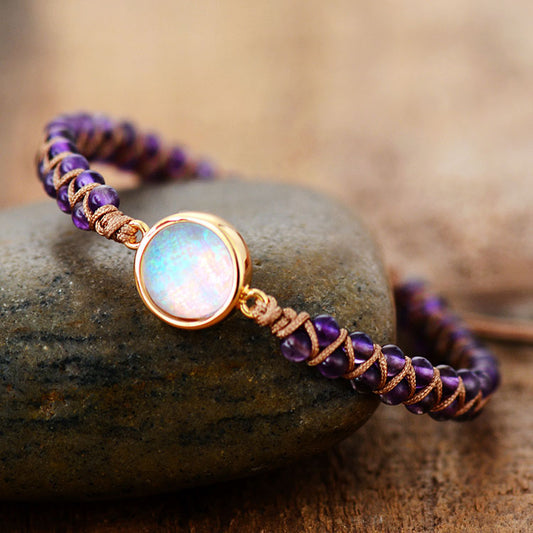

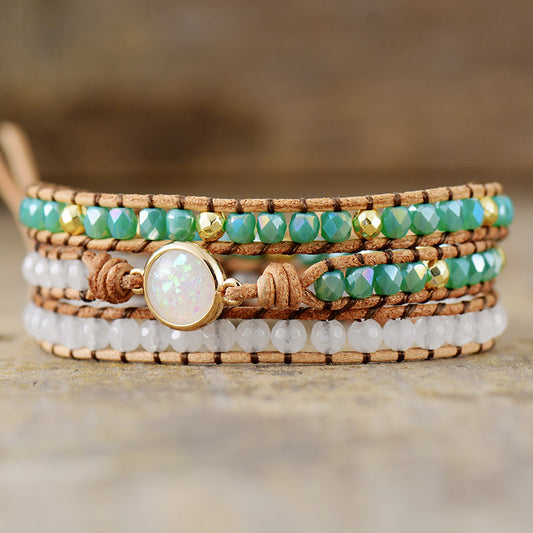

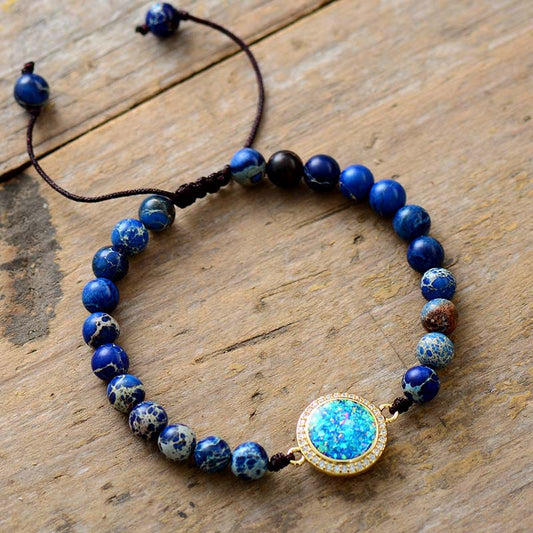

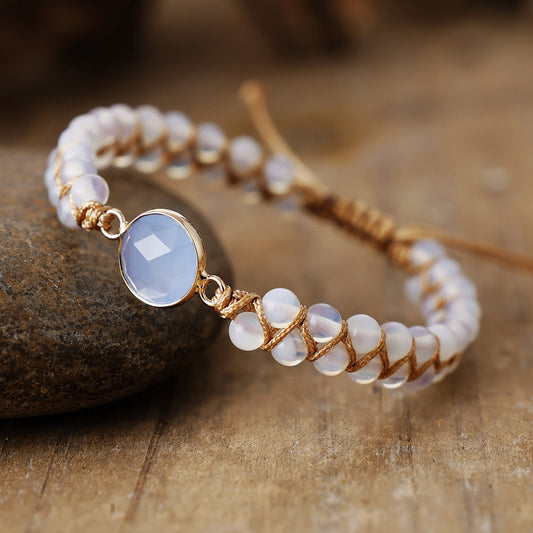


Collection: Opal
Introduction 🌟
Opal jewelry is one of the most enchanting and mystical types of gemstones. Known for its unique play-of-color, opals can exhibit a stunning range of hues, from deep reds and oranges to vibrant greens and blues. This makes them a favorite among collectors and fashion enthusiasts alike. If you're new to opals and curious about how to wear and care for them, you're in the right place!

In this guide, we’ll explore everything you need to know about opal jewelry, from understanding its beauty to how to choose and care for opal pieces. Whether you’re looking to buy your first opal ring or want to learn more about this stunning gemstone, this beginner's guide has you covered.
What Is Opal Jewelry? 💎
Opal jewelry refers to any piece of jewelry that features the opal gemstone. Opals are formed from water, silica, and other trace minerals, and their unique structure allows them to display a phenomenon known as "play-of-color." This effect causes flashes of multiple colors to appear within the stone, creating an ever-changing visual display. Unlike diamonds or sapphires, which are prized for their clarity and brilliance, opals are celebrated for their color-changing beauty.
What Makes Opals Different from Other Gemstones? 🤔
While diamonds and sapphires are typically known for their clarity and hardness, opals stand out because of their play-of-color. This means that opals have a shifting spectrum of colors, which can range from bright reds to cool blues, depending on the angle at which you view the stone. Additionally, opals are more delicate than many other gemstones, with a hardness level of 5.5 to 6.5 on the Mohs scale, which makes them more susceptible to scratching.
Opal jewelry often comes in a variety of settings, including rings, earrings, necklaces, and bracelets. Depending on the type of opal used, the jewelry can range from affordable options to high-end, luxury pieces.
Why Do Opals Look Magical? Understanding “Play-of-Color” 🌈
One of the most fascinating features of opals is their "play-of-color." This term refers to the shifting colors that appear on the surface of the gemstone when light hits it from different angles. Unlike other gemstones that reflect light uniformly, opals can display a broad spectrum of colors—often appearing to “dance” across the surface of the stone.
The Science Behind Play-of-Color 🧑🔬
Play-of-color occurs because of the internal structure of the opal. Unlike crystals that form in a single, uniform pattern, opals are made up of tiny silica spheres arranged in a grid-like structure. These spheres interact with light, creating the phenomenon of play-of-color. When light hits the surface of the opal, it reflects and refracts through these spheres, resulting in the vibrant flashes of color that make opals so unique.
The range of colors an opal can display depends on the size and arrangement of the silica spheres within the stone. Some opals may show a single color, while others can show an entire rainbow of hues, with vibrant reds, oranges, blues, and greens.
Why Does Lighting Matter for Opals? 💡
Lighting plays a critical role in showcasing the full beauty of opal jewelry. The effect of play-of-color is most noticeable under bright, direct light. Natural sunlight, in particular, can highlight the full spectrum of colors within the stone, making opals appear even more dazzling. This is why opals are often considered a "daylight gemstone," as they look best in natural light.
If you’re planning to buy opal jewelry, be sure to check how it looks under different lighting conditions. What may seem like a dull stone in the shade can transform into a breathtaking piece under the sun!
Types of Opals Used in Jewelry 🔍
Not all opals are the same, and understanding the different types can help you choose the right opal jewelry for your needs. In this section, we’ll explore the most common types of opals used in jewelry, each with its unique characteristics and beauty.
1. Natural Opal (Solid Opal) 🌱
Natural opals are the most sought-after type of opal used in fine jewelry. These stones are formed entirely in nature and are not treated or enhanced in any way. Solid opals display the most vibrant play-of-color and are considered the highest-quality opals available.
There are several types of natural opals, including white opals, black opals, and boulder opals, each of which has its own distinct look.
2. Synthetic Opal (Lab-Grown Opal) 🧪
Synthetic opals are created in a lab environment but are chemically identical to natural opals. These opals are made using similar processes to those that occur in nature, but in a controlled setting. While synthetic opals may have a similar appearance to natural opals, they are often less expensive and more readily available.
For those who want the look of opal but are on a budget, synthetic opals are a great alternative. However, they may not have the same long-term value or durability as natural opals.
3. Opal Doublets and Triplets 🧩
Opal doublets and triplets are composite stones made by combining layers of opal with other materials, such as black basalt or clear quartz. These layers are bonded together to create a more durable stone that still exhibits the play-of-color that opals are famous for.
-
Opal Doublets: Consist of a thin layer of opal fused to a backing material. Doublets are more affordable than solid opals and are commonly used in rings and pendants.
-
Opal Triplets: Similar to doublets but with an additional protective layer on top, usually made of clear quartz. Triplets are the most durable type of opal and are often used in pieces that are worn frequently.
Both doublets and triplets offer an affordable alternative to solid opals, although they are less valuable and can be prone to scratching over time.
Popular Opal Varieties 🌍
Opals come in a range of colors and varieties, each with its own unique characteristics. Here are some of the most popular types of opals used in jewelry:
1. White Opal ⚪
White opals are known for their light background color, which allows their play-of-color to stand out in vivid contrast. These opals often display a broad range of colors, including reds, greens, and blues. They are one of the most common types of opals used in jewelry and are widely available in rings, earrings, and pendants.
2. Black Opal 🖤
Black opals are the rarest and most valuable type of opal. These stones have a dark background color, which enhances the brightness and vibrancy of the play-of-color. The vivid flashes of red, blue, and green in black opals make them incredibly sought after. Black opals are often used in high-end jewelry pieces and can be quite expensive.
3. Boulder Opal 🟫
Boulder opals are found in ironstone boulders, which means they often have a natural matrix of ironstone running through the stone. This unique feature gives boulder opals a distinctive look, with the play-of-color often contrasting beautifully with the dark matrix. Boulder opals are typically less expensive than black opals but still offer stunning visual appeal.
4. Fire Opal 🔥
Fire opals are known for their bright, warm body color, which can range from yellow to orange to red. Unlike other opals, fire opals often lack the play-of-color but are still prized for their rich, fiery hue. Fire opals are commonly used in rings and necklaces and are particularly popular in boho or southwestern jewelry styles.
How to Choose Opal Jewelry 🛍️
Selecting the perfect opal jewelry requires an understanding of what makes an opal truly special. In this section, we’ll go over some tips for choosing opal jewelry based on quality, style, and durability.
1. Key Factors to Consider When Choosing Opal Jewelry 🔑
When shopping for opal jewelry, it’s important to consider the following factors:
a. Brightness ✨
The brightness of an opal is the most important factor in determining its quality. The more vibrant and intense the play-of-color, the more valuable the opal. High-quality opals will have a bright, vivid play-of-color that covers a significant portion of the stone.
b. Pattern 🖼️
Opals can display a range of patterns, from simple flashes of color to intricate, geometric shapes. The best opals will have a bold and consistent pattern, which is highly sought after in high-end opal jewelry.
c. Color Range 🌈
Opals with a wide range of colors are generally more valuable than those with a limited color spectrum. Look for opals that display multiple colors, such as red, green, blue, and yellow, as these will provide a more striking and dynamic effect.
d. Body Tone 🎨
The body tone of an opal refers to its overall color or background hue. Opals can range from light to dark, with darker opals often showcasing more vibrant play-of-color. Choose a body tone that complements the jewelry setting and enhances the opal's unique characteristics.
Practical Buying Tips for Opal Jewelry 🛒
When you’re ready to purchase opal jewelry, there are a few practical tips to keep in mind to ensure you’re getting the best piece for your budget and lifestyle. Here’s what to consider when buying opal jewelry:
1. Choose the Right Setting for Durability ⚒️
Opals are a delicate gemstone, so it’s important to choose a setting that protects the stone from damage. The two most common types of settings are bezel settings and prong settings.
-
Bezel Settings: In a bezel setting, the opal is surrounded by a metal band, which provides more protection against accidental knocks or drops. This setting is often recommended for opals, as it keeps the stone securely in place.
-
Prong Settings: While prong settings are popular and allow more light to enter the stone, they expose the opal more, making it more susceptible to scratches or chips. If you prefer this style, ensure that the prongs are sturdy and the opal is securely held.
For everyday wear, a bezel setting is typically the better option, especially for rings and bracelets that may face more bumps and scratches.
2. Match Opal Type to Your Lifestyle 🏃♀️
When buying opal jewelry, think about how often you'll wear it and your activity level. Opal jewelry is often considered a "delicate" gemstone, so if you’re active or plan to wear the piece daily, consider choosing a more durable opal, like boulder opal or opal triplets, which are less likely to crack or chip.
For occasional wear, you can choose a solid opal or black opal, but you’ll need to be more cautious when wearing them, especially in settings like rings, which can be exposed to wear and tear.
3. Understand Opal Jewelry Prices 💰
Opal prices can vary greatly depending on several factors, including the type of opal, its quality, size, and the intricacy of the jewelry setting. Here’s a general breakdown of what affects opal prices:
-
Type of Opal: Black opals are the most expensive, followed by white opals, fire opals, and boulder opals. Synthetic opals and opal doublets or triplets are the most affordable.
-
Brightness and Play-of-Color: High-quality opals with vibrant, multi-colored play-of-color will be more expensive than those with a duller or less dynamic color display.
-
Size: Larger opals, particularly those with superior brightness and patterns, can command higher prices. However, smaller opals with excellent play-of-color can still be quite valuable.
-
Craftsmanship: The craftsmanship of the setting and overall design also affects the price. Fine, hand-crafted jewelry with opals in intricate settings will typically cost more.
Before making your purchase, consider your budget and what you’re willing to invest in. Whether you’re purchasing a high-end statement piece or an affordable everyday ring, there’s an opal jewelry option for every price range.
Best Jewelry Styles for Opals 💍
Opals can be incorporated into a variety of jewelry styles, each offering a different aesthetic and showcasing the gemstone in unique ways. Here are the best opal jewelry styles to consider:
1. Opal Rings 💍
Opal rings are a popular choice for those who want to wear their opals daily or as statement pieces. The colorful play-of-color displayed by opals is eye-catching in rings, and they can be worn as engagement rings, fashion rings, or even custom-designed pieces.
-
Best for: Special occasions, engagement rings, daily wear
-
Best Settings: Bezel settings, prong settings, halo settings
Because opals are more delicate than other gemstones, consider choosing a bezel setting for an opal ring, as it offers greater protection for the stone.
2. Opal Necklaces & Pendants 📿
Opal necklaces and pendants offer an elegant way to display the unique colors of opals. Pendants featuring opals are often designed to be the focal point of the jewelry, allowing the play-of-color to take center stage.
-
Best for: Formal events, adding a pop of color to outfits
-
Best Settings: Prong settings, bezel settings
Opals are especially stunning in pendant designs because they are suspended in a way that allows light to pass through them, making their color-changing effect even more striking.
3. Opal Earrings 🦻
Opal earrings are a classic way to incorporate opals into your jewelry collection. Whether you prefer studs, hoops, or dangling earrings, opals add a touch of glamour and elegance to your look.
-
Best for: Everyday wear, formal events, or a stylish touch to your outfit
-
Best Settings: Stud settings, drop earrings, bezel settings
For opal earrings, consider choosing stones with less exposure to damage (i.e., stud settings) if you plan on wearing them frequently. Opal earrings with more intricate designs can make for an excellent statement piece for special occasions.
4. Opal Bracelets ⌚
Opal bracelets can be a beautiful addition to your jewelry collection, though they require careful consideration of the opal’s durability. If you’re an active person or looking for something you can wear daily, a bracelet with boulder opals or opal triplets might be your best choice, as they are less likely to crack or chip than solid opals.
-
Best for: Special occasions, elegant looks
-
Best Settings: Bangle bracelets, tennis bracelets with opal inlays
A well-designed opal bracelet can be a stunning accessory, adding a pop of color and vibrancy to your wrist. Just be mindful of the settings to ensure that the opal stays secure and protected from daily wear.
How to Care for Opal Jewelry (So It Lasts) 🧴
Opals require a bit more care than other gemstones, so it’s essential to take steps to protect them and ensure they last for many years. Here's how to properly care for your opal jewelry:
1. Do’s for Opal Care ✅
a. Clean Gently ✨
Opals are sensitive to harsh chemicals and high temperatures, so it's important to clean them gently. Use a soft cloth to wipe off any dirt or oils that may accumulate. For deeper cleaning, gently wash your opal jewelry with lukewarm water and a mild soap solution. Avoid using ultrasonic or steam cleaners, as these can damage the stone.
b. Store Opal Jewelry Carefully 🧳
Store your opal jewelry separately from other gemstones and jewelry pieces to prevent scratching. Soft cloth pouches or lined jewelry boxes are ideal for keeping your opals safe when they’re not being worn.
c. Keep Opals in Moderate Humidity 💧
Opals are hydrophane, which means they can absorb water. While this doesn’t pose a problem for short-term exposure, prolonged exposure to water or extreme dryness can cause opals to crack. Store your opals in a location with moderate humidity to help keep them in optimal condition.
2. Don’ts for Opal Care 🚫
a. Avoid Harsh Chemicals 🧴
Opals can be damaged by exposure to chemicals, including perfumes, lotions, cleaning products, and other harsh substances. Always remove your opal jewelry before using such products.
b. Avoid Extreme Temperatures 🔥❄️
Sudden temperature changes can cause opals to crack or become brittle. For this reason, avoid wearing opals in extreme temperatures, such as when swimming in hot tubs or exposing them to direct heat sources.
c. Take Off Jewelry During Physical Activities 🏋️♀️
When engaging in physical activities, such as exercising, cleaning, or gardening, it’s a good idea to remove your opal jewelry. This will reduce the risk of accidental damage or scratches caused by friction with hard surfaces.
Common Myths About Opals 🧐
Despite their beauty, opals have been surrounded by myths and misconceptions throughout history. Let’s take a look at some of the most common myths about opals and clear them up:
Myth 1: “Opals are Unlucky” 🍀
Some people believe that opals are bad luck, but this superstition is largely based on folklore. In fact, many cultures have revered opals for their beauty and believed them to possess magical or healing properties. Today, opals are considered symbols of hope, creativity, and inspiration.
Myth 2: “All Opals Are Fragile” 💔
While opals are more delicate than some other gemstones, not all opals are fragile. Black opals, boulder opals, and opal triplets are more durable than solid opals and can withstand more wear and tear. If you're looking for opal jewelry that can be worn daily, consider these types for better durability.
Myth 3: “Opals Need to Be Soaked in Water” 💧
Some believe that opals need to be soaked in water to maintain their luster, but this is unnecessary. While opals do have a high water content, soaking them for prolonged periods can cause them to absorb too much moisture and potentially crack. Simply clean them gently and store them in a cool, dry place.
Frequently Asked Questions (FAQs) ❓
When it comes to opal jewelry, beginners often have many questions. In this section, we’ll answer some of the most frequently asked questions about opals to help you make informed decisions when buying and caring for your jewelry.
1. Is Opal Jewelry Good for Everyday Wear? 🏅
While opal jewelry is stunning, it requires a bit more care than other gemstones due to its delicate nature. Opals are relatively soft, scoring between 5.5 to 6.5 on the Mohs scale, which means they can be scratched or damaged more easily.
If you’re planning to wear opal jewelry daily, choose opals with a higher durability, such as boulder opals or opal triplets, which are more resistant to damage. Avoid wearing opals during physical activities or while working with rough materials to reduce the risk of scratches or chips.
2. What’s the Difference Between Black Opal and White Opal? 🖤⚪
Black opals and white opals are two of the most common types of opals used in jewelry, and the main difference lies in their background color and rarity:
-
Black Opal: Characterized by a dark body tone, black opals display intense play-of-color, making them incredibly vibrant and prized. They are rare and highly valuable.
-
White Opal: White opals have a lighter body tone, and their play-of-color often features brighter hues like red, green, and blue. While still stunning, they are generally more affordable than black opals.
Black opals are more expensive and rarer, while white opals are often used in more affordable jewelry pieces.
3. How Do I Know If an Opal is Real? 🔍
Opals can be quite expensive, so it’s important to ensure that the opal you're buying is real. Here are a few ways to identify a genuine opal:
-
Play-of-color: A real opal will exhibit the characteristic play-of-color, with vibrant flashes of different colors depending on the angle of light.
-
Temperature: Genuine opals feel cool to the touch when you first pick them up, as they contain water within their structure.
-
Surface Texture: Genuine opals have a smooth, glass-like surface, but you might notice tiny surface irregularities due to their natural formation. If the surface feels too perfect, it might be synthetic.
If you're unsure about an opal's authenticity, seek out a gemologist or trusted jeweler who can authenticate the stone for you.
4. Can Opals Get Wet? 💧
Opals are hydrophane, meaning they can absorb and release water, which can cause them to crack if exposed to moisture for too long. While it’s okay for opals to come into contact with water occasionally, it’s best to avoid wearing opal jewelry while swimming, showering, or bathing.
To protect your opals, remove your jewelry before engaging in activities where it could get wet. After contact with water, gently dry your opal jewelry with a soft cloth to prevent water damage.
5. What Setting is Best for an Opal Ring? 💍
The setting you choose for an opal ring can make a huge difference in both the durability and aesthetics of the piece. Bezel settings are highly recommended for opal rings because they protect the edges of the stone from impact and prevent scratches.
Alternatively, prong settings allow more light to shine through the opal, enhancing its play-of-color, but they may expose the stone to more wear and tear. If you choose a prong setting, make sure the prongs are strong and secure.
Additionally, choosing a ring design that has a protective element, such as a halo setting, can help safeguard your opal while still showcasing its vibrant beauty.
Wrap-Up: The Timeless Allure of Opal Jewelry ✨
Opal jewelry is truly one-of-a-kind, offering a stunning array of colors and visual effects that no other gemstone can replicate. Whether you’re drawn to the fiery hues of a fire opal, the deep beauty of black opal, or the subtle elegance of white opal, there’s no denying that opals have an unmatched charm. Their magical play-of-color, combined with their rich history and symbolism, makes them an excellent choice for anyone seeking unique and captivating jewelry.
If you’re new to opals, remember that choosing the right type of opal jewelry involves understanding the different varieties, considering your lifestyle, and taking proper care of the gemstone. With the right setting and maintenance, your opal jewelry will not only stand the test of time but continue to mesmerize and delight for years to come.
By following the tips and guidelines in this guide, you can confidently select and care for opal jewelry that enhances your style and reflects your personality. Whether you're purchasing a beautiful opal ring, an elegant pendant, or a pair of stunning opal earrings, these pieces will always remain timeless treasures in your collection.
Final Thoughts 🌟
Opal jewelry isn’t just about the stone—it’s about the magic it carries. From ancient legends to modern-day fashion, opals have always held a special place in the hearts of those who appreciate their beauty. If you're ready to add an opal piece to your collection, take the time to choose a high-quality stone that fits your needs, lifestyle, and taste. With the right care, opal jewelry can be a cherished companion for many years, becoming a timeless addition to your jewelry box.
Thank you for reading this beginner’s guide to understanding the beauty of opal jewelry! May your opal journey be filled with stunning, colorful discoveries! 💎🌈